Thematic Introduction
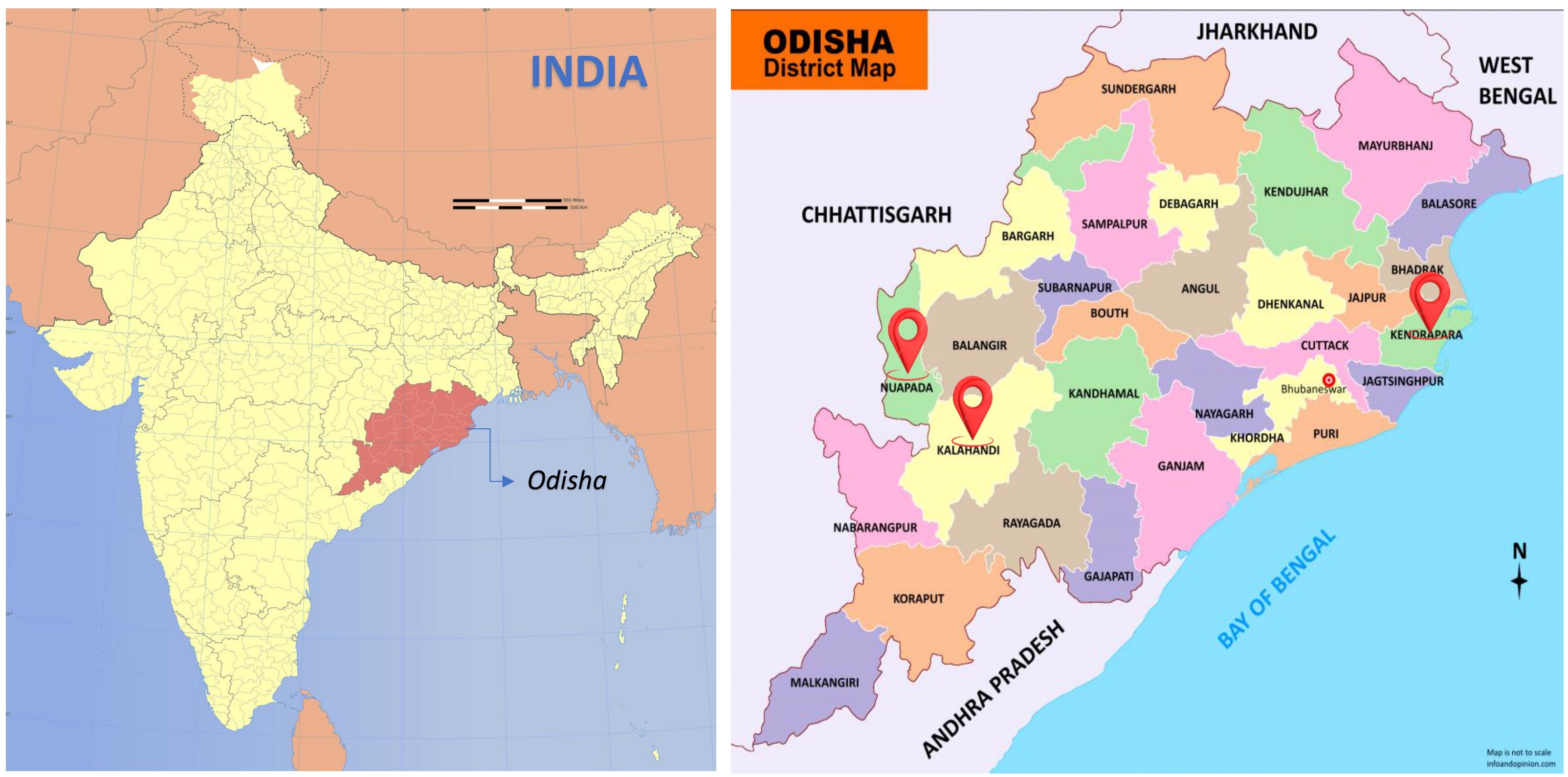
At Chale Chalo, we work to strengthen water security and climate-resilient livelihoods in drought-prone and water-stressed communities in the Nuapada district of Odisha. Our approach integrates women-led water governance, participatory watershed management, groundwater recharge, and improved access to safe drinking water through community-driven Micro Water Security Plans. By strengthening community institutions, Panchayati Raj Institutions (PRIs), and women’s groups, we promote sustainable and equitable water systems that reduce vulnerability, enhance livelihood security, and build long-term resilience.
Project Overview
PHF-DIDI Project - Women Groups Leading Actions for Water Security and Sustainable Development
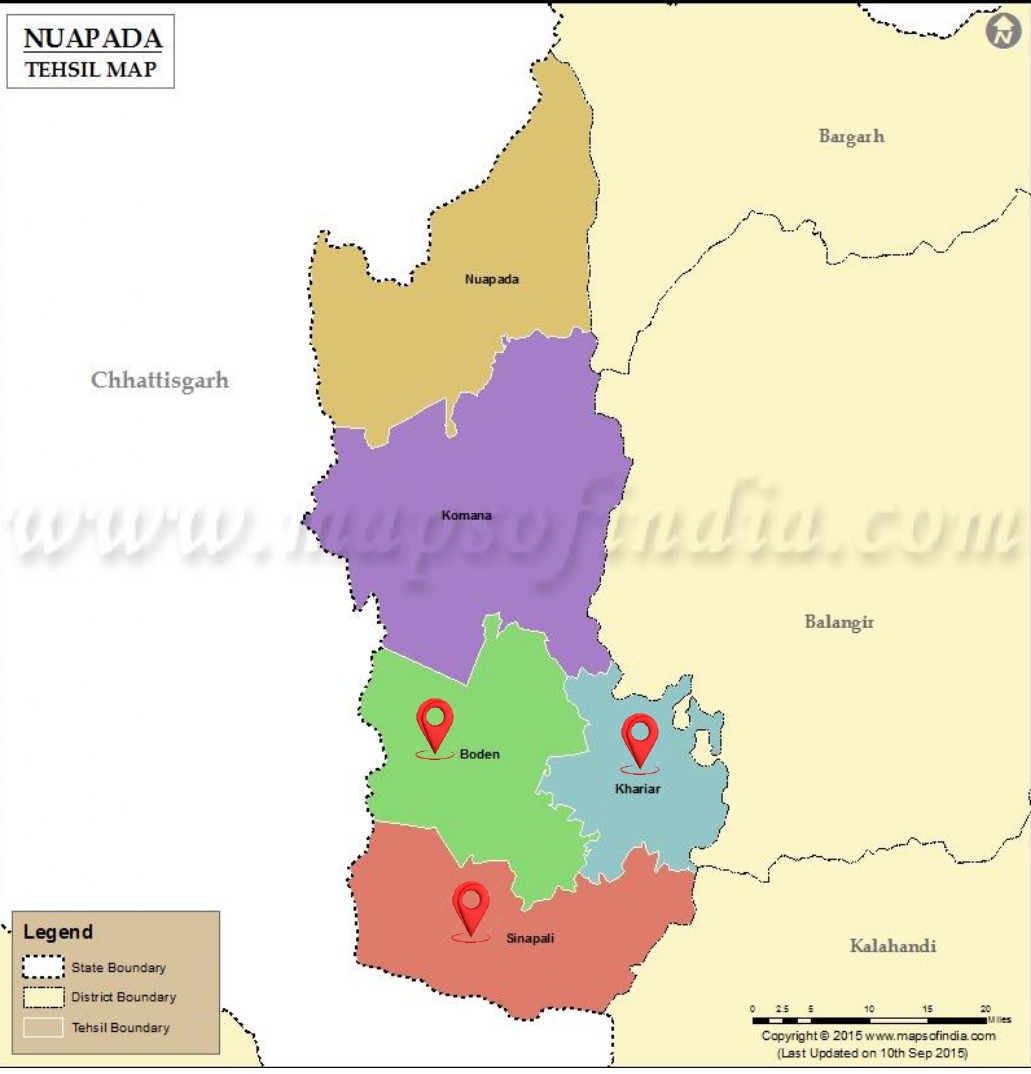
Supported by the Paul Hamlyn Foundation since 2019, the water security project is being implemented in 25 drought-prone villages/hamlets of 05 GPs in the Boden and Sinapali blocks of Nuapada district, Odisha, benefiting nearly 24,000 people. The project focuses on women-led micro water security planning, rainwater conservation, ridge-to-valley watershed development, groundwater recharge, and strengthening community-led sustainable water management systems through DIDI leaders, Jal Mitras, Village Water Management Committees (VWMCs), PRIs, concerned line departments, and the communities.
Coverage: 25 villages/hamlets in 05 GPs of Boden & Sinapali blocks, Nuapada district, Odisha
Major Activities under the DIDI Project
- Community Mobilisation and Institutional Strengthening: Village Water Management Committees (VWMCs), Village Water and Sanitation Committees (VWSCs), Jal Mitras, DIDI leaders, SHGs, youth groups, and community institutions were mobilised and strengthened to promote community-led water governance, sustainable water management, and collective action for water security.
- Micro Water Security Planning (MWSP): Household-level, farm-level, village-level, and Gram Panchayat-level water security plans were prepared, reviewed, updated, and integrated into Village Development Plans (VDPs) and Gram Panchayat Development Plans (GPDPs) through participatory planning, community consultations, and Gram Sabha processes.
- Strengthening PRIs and Local Institutions for Water Security Governance: PRI representatives, Gram Panchayat functionaries, and local institutions were oriented and capacitated on watershed management, ridge-to-valley approaches, groundwater recharge, rainwater harvesting, convergence planning, and integration of water security priorities into local development plans.
- DIDI Leaders Led Water Security and Governance Initiatives: DIDI leaders led community-driven water security planning, groundwater recharge initiatives, watershed development, plantation, forest regeneration, and integration of water security priorities into Village Development Plans (VDPs) and Gram Panchayat Development Plans (GPDPs). They facilitated community mobilisation, strengthened convergence with PRIs and line departments, and promoted collective action for sustainable water resource management.
- Strengthening Jal Mitras for Community Water Governance: Jal Mitras facilitated groundwater management, water budgeting, maintenance of water bodies, watershed planning, and promotion of sustainable water use practices while strengthening village-level water governance systems.
- Strengthening VWMCs and VWSCs for Sustainable Water Resource Management: Community water institutions were strengthened to lead planning, implementation, monitoring, and management of water resources through ridge-to-valley watershed approaches, groundwater recharge measures, plantation, forest regeneration, and restoration of water bodies.
- Use of Mouza Maps, GPS Devices and Technical Planning Tools: Revenue village maps, GPS devices, and technical planning tools were used for mapping land, forests, water bodies, watershed intervention sites, and groundwater recharge structures to strengthen evidence-based planning and implementation.
- Exposure Visits and Cross-Learning on Watershed Development: Community leaders, PRI representatives, DIDI leaders, VWMC members, Jal Mitras, and project teams participated in exposure visits to successful watershed initiatives to strengthen practical understanding of integrated natural resource management and community-led water security models.
- Development and Dissemination of IEC and Resource Materials: Locally relevant IEC materials and learning resources on water conservation, watershed management, groundwater recharge, rainwater harvesting, water cycles, aquifer management, and sustainable agriculture were developed and disseminated to strengthen awareness and behavioural change.
- Convergence and Institutional Engagement for Water Security: The project worked closely with PRIs, Gram Panchayats, MGNREGS functionaries, line departments, technical agencies, and other stakeholders to facilitate integration of water security priorities into local development planning, improve access to government resources, and promote coordinated action for watershed development, groundwater recharge, and sustainable water management.
- Technical Guidance and Expert Support for Water Security: Technical experts provided continuous guidance on watershed planning, aquifer-based approaches, groundwater recharge, mapping of water bodies, identification of conservation sites, and strengthening community-led water resource management systems.
- External Evaluation and Sustainability Assessment: Independent assessments were undertaken to review project outcomes, institutional strengthening, integration of Micro Water Security Plans into local development systems, community ownership, and the long-term sustainability of water governance mechanisms.
Project Overview
APF – SAFE DRINKING WATER PROJECT - Ensuring Safe Drinking Water for All Households in 10 Fluoride-Affected Villages of Karlakot GP, Nuapada District, Odisha
The APF-supported “Ensuring Safe Drinking Water” project will be implemented in 10 fluoride-affected villages of Karlakot Gram Panchayat in drought-prone Nuapada district, Odisha. The intervention aims to ensure year-round access to safe and adequate drinking water for approximately 2,000 households in one of the most water-stressed and fluoride-contaminated regions, where groundwater fluoride levels reach as high as 6.17 mg/l and most households still rely on unsafe sources.
Despite existing government investments, drinking water access remains highly unreliable due to poor infrastructure functioning, intermittent piped supply, defunct systems, and declining groundwater sources. Women and children are disproportionately affected, bearing the burden of long travel distances for water collection and increased health risks due to continued exposure to contaminated sources.
The project will address these challenges through a combination of source renovation, fluoride mitigation systems, groundwater recharge measures, and strengthening of community-led water governance mechanisms. It will also promote convergence with relevant government schemes to improve sustainability and system ownership. The initiative seeks to build a resilient and community-managed safe drinking water system that improves health, reduces vulnerability, and ensures equitable access to safe water for vulnerable rural households in Karlakot GP.
Coverage: 10 fluoride-affected villages of Karlakot Gram Panchayat, Nuapada district, Odisha.
Major Activities under the APF Project
- Improving Access to Safe Drinking Water: Renovation of dug wells, installation of fluoride removal filters in identified locations, repair of existing drinking water supply systems, construction of groundwater recharge structures, and regular water quality testing using Field Testing Kits (FTKs) to ensure safe and sustainable drinking water access.
- Community Mobilisation and Water Governance: Village Water & Sanitation Committees (VWSCs) and Water User Groups (WUGs) are strengthened, and Jal Mitras are engaged to support community-led planning, operation, maintenance, and monitoring of drinking water systems.
- Awareness and Behaviour Change on Safe Water Practices: Community awareness activities are conducted on fluoride risks, safe drinking water practices, rainwater harvesting, groundwater recharge, hygiene, and household-level nutrition-sensitive interventions such as kitchen gardens.
- Water Security Planning and Institutional Convergence: Village Micro Drinking Water Security Plans (VMDWSPs) are prepared and integrated into GPDP, Jal Jeevan Mission (JJM), and MGNREGS planning systems, with active engagement of PRIs and line departments to strengthen service delivery and resource convergence.
- Natural Resource Management and Infrastructure Strengthening: Groundwater recharge structures, village ponds, farm ponds, and water bodies are developed and restored in convergence with Forest, Agriculture, Horticulture, RWSS, and PRIs. Plantation and watershed-based interventions are also promoted to enhance long-term water availability.
- Sustainability and Community Ownership of Water Systems: Community institutions are strengthened to ensure equitable access, operation and maintenance, and long-term management of drinking water infrastructure, ensuring continued functionality and sustainability of water systems in fluoride-affected villages.
Key Stakeholders & Direct Beneficiaries
DIDI Leaders (Women Leaders)
Jal Mitras (Water Volunteers)
Village Water Management Committees (VWMCs)
Village Water & Sanitation Committees (VWSCs)
Water User Groups (WUGs)
Panchayati Raj Institutions (PRIs)
Marginalised Drought-Prone Communities
Fluoride-Affected Households (Karlakot GP)